Seattle, WA


Fall is the perfect time to prepare your fireplace before the colder winter months arrive. Proper maintenance not only ensures that your system runs efficiently, but also prevents potential hazards such as fires or structural problems.
Here’s a complete checklist to make sure your fireplace is in top condition and ready to use when you need it most.

1. Inspect the Chimney Masonry.
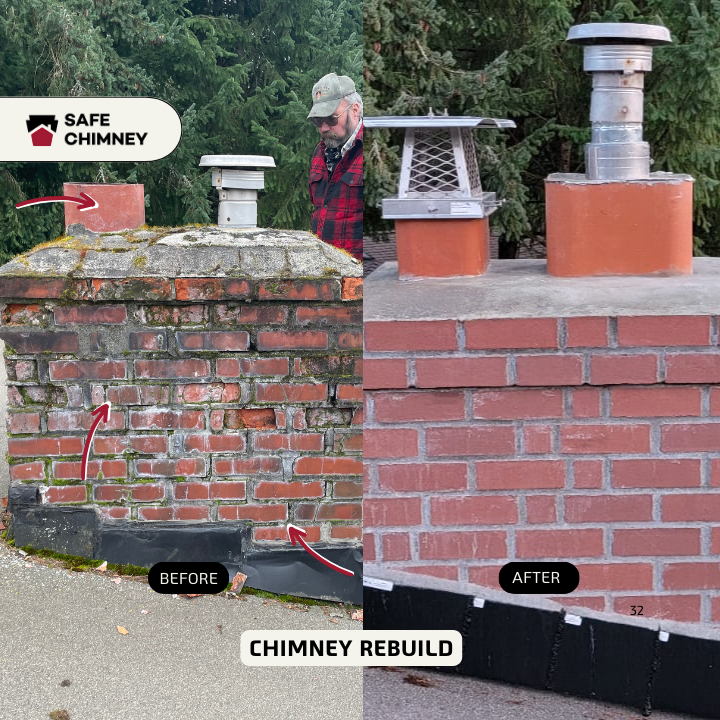
One of the first steps you should take is to check the masonry of your fireplace, i.e., the bricks and mortar. Look for any signs of wear, such as cracks, crumbling areas, or loose bricks. A chimney with bricks in poor condition can be dangerous, as cracks allow water to enter the structure, which can eventually cause leaks or more serious damage.
Additional advice: If you see white stains on the bricks (efflorescence), this is a sign that the bricks are absorbing water. Over time, this can weaken the structure of your chimney. If you notice this, it is advisable to seal the bricks to prevent them from absorbing more moisture. We can help you! Book here.
- Check the Chimney Cap, Crown, and Roof Sealing
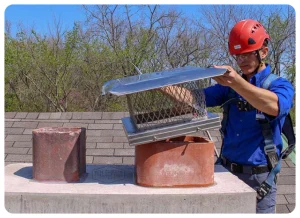
The chimney cap, crown, and roof sealing are essential to prevent water and other elements from entering your chimney. The cap covers the top of the chimney and protects against the ingress of water, animals, or debris, while the crown acts as a cap that prevents erosion of the masonry.
Make sure the cap is not damaged, the crown is in good condition with no cracks, and the seal between the chimney and the roof (known as “flashing”) is in good condition. A leak in any of these components can allow water to enter the chimney and cause internal damage.
Important: Watch out for bird nests! In the fall, many birds seek shelter in chimneys, and their nests can block airflow, increasing the risk of fires and making proper ventilation difficult. Make sure there are no obstructions.
Bonus tip: If your chimney doesn’t have a chimney cap, it’s time to install one! Schedule your chimney service here. A chimney cap protects your chimney from water ingress and can prevent costly damage in the future. In addition, it also prevents birds or other animals from entering and nesting inside the chimney, which is more common than you might think.
- Check for Signs of Water Leakage
Water is the number one enemy of a chimney. Leaks can cause lots of problems, from structural damage to mold growth. It’s important to check areas near the chimney, such as the walls, ceiling, and firebox, for water or moisture stains.
Other signs include musty odors in the attic or crawlspace, or a sooty or musty smell coming from the chimney. If you notice any of these symptoms, you may have a leak that needs immediate attention.
Here are some common signs of leaks to look for:
- Wet spots or damp areas on the walls or ceiling near the chimney.
- Musty odors in the attic or crawlspace
- Sooty or moldy smells coming from the chimney
- Water accumulating in the firebox after a rainstorm
Remember: Water seepage can not only damage your home, but it can also breed mold, which is detrimental to the health of the people living in the home. A checkup in the fall can prevent serious problems in the winter.
Bonus tip: If you live in an area where it rains frequently, consider applying a waterproofing sealant to the outside of your chimney. This can help prevent water absorption and extend the life of your system.

4. Clean and Inspect the Firebox.
The firebox is where all the magic happens in your fireplace, so keeping it clean and in good condition is critical. Good firebox maintenance involves removing any accumulated ash or soot and checking for any signs of structural damage.
Look for cracks or wear on the inside of the firebox, as these can be indicative of larger problems. Wood-burning fireplaces, in particular, can accumulate creosote, a flammable byproduct of wood combustion that can cause fires if not cleaned regularly.
Common tools for cleaning the firebox:
- Metal bristle brush: Used to remove debris and soot from the firebox walls.
- Ash shovel: Ideal for collecting ash residue from previous burns.
- Firewood tongs: Help to move and rearrange the logs safely.
- Pokers: A long tool that allows you to accommodate the fire without risk of burns.
While you can purchase these cleaning kits online, it is always advisable to have a set of tools near your fireplace for regular maintenance. Be sure to purchase those designed for the home user.
Even if you do this maintenance on your own, we still recommend scheduling a professional inspection.
Additional advice: If you use a wood-burning fireplace, consider installing a screen or glass door to prevent sparks from flying outside and keep the heat inside the fireplace.
5. Schedule a Professional Cleaning
Don’t underestimate the importance of professional chimney cleaning. Specialized technicians use advanced tools to remove soot and creosote from the flue walls, which is critical to preventing fires.
Creosote builds up on chimney flue walls and, if not removed, can ignite and cause serious damage to your home.
The Chimney Safety Institute of America (CSIA) recommends an annual cleaning for chimneys that are used regularly. This not only improves the safety of your home but also helps your chimney operate more efficiently.
Expert tip: If you notice that your fireplace is not burning as efficiently as it used to, or if the smoke is not rising properly, these may be signs that you need an urgent cleaning. Also, this is an opportunity to have a professional inspect and repair any structural damage.
Why choose Safe Chimney?
- We have certified professionals with extensive experience.
- We use advanced tools to remove soot and creosote, which are the leading causes of chimney fires.
- We offer a thorough inspection of the entire system, ensuring its safety and efficiency.
- Locations: Our services are available in Seattle, Bellevue WA, Tacoma WA, Everett WA, Federal Way, Marysville WA, Tukwila WA, Olympia WA, Puyallup WA, Vancouver, Mountlake Terrace, and Beaverton, among other areas, allowing us to serve a wide range of customers quickly and efficiently.
Benefits of fall cleaning:
- Avoid the rush: In winter, demand for cleaning services increases, which can lead to longer wait times.
- Prevent risks: Cleaning your chimney before the cold weather arrives ensures that you won’t face dangerous surprises when you need your chimney the most.
- Increased efficiency: A clean chimney heats better and more efficiently, reducing heating costs.
Chimney Expert Tips for Chimney Maintenance.
In addition to the steps above, here are some additional tips to help you keep your fireplace in good shape all year long:
- Use dry, well-seasoned firewood: Wet firewood generates more smoke and creosote, which increases the risk of fires. Be sure to use dry, well-seasoned wood to minimize soot buildup.
- Install a carbon monoxide detector: Although not a direct part of fireplace maintenance, it is an important safety measure. A carbon monoxide detector will alert you if there is a buildup of dangerous gases in your home.
- Control ventilation: Proper ventilation is essential for smoke to escape effectively. If you notice that your home fills with smoke when you use the fireplace, you may need to adjust the draft or check the venting.
- Inspect regularly: While a professional inspection is recommended every year, it’s also a good idea to perform small visual inspections during the winter to make sure everything is in order.
Chimney maintenance is not something to be taken lightly.
Especially when it comes to the safety of your home and family. Making sure your chimney is in good condition before winter can save you headaches later on, as well as prevent major hazards like fires or water leaks. With this five-step checklist and a few additional tips, you can enjoy a warm and safe winter by your fireplace.
Remember, it’s always better to be safe than sorry – schedule your chimney inspection and cleaning with Safe Chimney today and get ready to enjoy a worry-free winter!