Seattle, WA


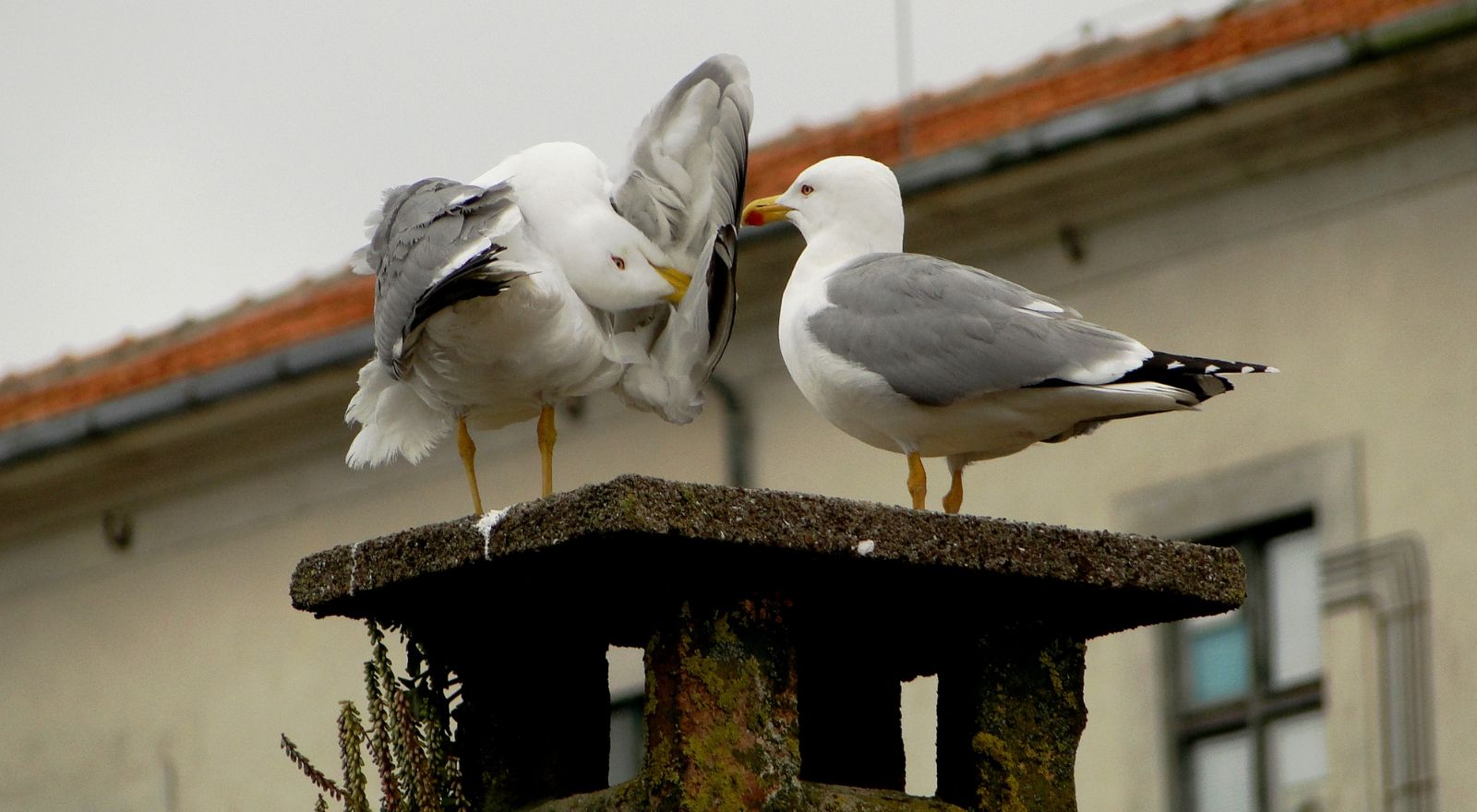
Birds in the chimney can be a nuisance and a danger to homeowners. Fortunately, there are safe and effective methods to get rid of them.
INDEX
- Introduction
- Factors that Attract Birds to Chimneys
- Signs of Bird Presence in Chimneys
- Risks Associated with the Presence of Birds in Chimneys
- Strategies to Eliminate Birds from Chimneys
- Preventive Measures to Avoid Birds in Chimneys
- Conclusion
Introduction
The presence of birds in the chimney is a common problem faced by many homeowners. In addition to being a nuisance, it can pose safety and health risks. In this guide, we will explore the reasons behind the presence of birds in the chimney, how to identify their presence, the associated dangers, and, most importantly, how to safely and effectively get rid of them.
Factors that Attract Birds to Chimneys.
Birds are attracted to the warmth and protection offered by a chimney, especially during nesting season. Lack of a proper chimney cap or a damaged top sealing damper can allow birds to enter and become trapped in the chimney. In addition, some species of birds are known to nest repeatedly in the same location, increasing the likelihood that they will return to the chimney.
- Lack of a Chimney Cap or Damaged Cap: The lack of a chimney cap or damaged cap provides birds with easy access to the chimney. Birds can enter the chimney for shelter or to build a nest.
- Presence of Unsealed Gaps or Crevices: Chimneys with unsealed gaps or crevices provide birds with additional entry points. Birds can detect these gaps and use them to enter the chimney.
- Attractive Nesting Environment: Birds tend to seek warm, safe places to nest and raise their young. A chimney provides a protected environment that can be attractive to birds looking for a nesting site.
- Chimney Nesting History: If a chimney has been used as a nesting site in the past, birds are more likely to return to the same location in subsequent seasons. This repeated behavior can lead to a continuous presence of birds in the chimney.
- Lack of Regular Maintenance: Lack of regular chimney cleaning and maintenance can allow birds to build nests undisturbed. Accumulating debris and materials in the chimney provides birds a suitable place to nest and raise their young.
Signs of Avian Presence in the Chimney

Several signs may indicate the presence of birds in the chimney. In addition to the strange sounds and visible droppings mentioned above, it is important to pay attention to unpleasant odors that may emanate from the chimney, as they could indicate the presence of dead birds. In addition, homeowners may notice increased bird activity around the chimney, especially during nesting season.
- Sightings of Birds Entering or Leaving: You may see birds flying in or out of the chimney, especially when you light a fire. This behavior indicates that birds are using the chimney as an entry and exit point.
- Unpleasant Odor: An unpleasant odor emanating from the chimney could be indicative of the presence of birds, especially if it is due to the accumulation of their droppings and feathers. It could also indicate the presence of a dead bird in the chimney.
- Strange Sounds: You may hear unusual noises coming from the chimney, such as squeaking, chirping, gurgling, rustling, or flapping. These sounds could be indicative that birds are present and active inside the chimney.
- Bird Droppings: If you find bird droppings near the chimney, on the ground below the chimney, or inside the chimney, birds are likely using the chimney as a shelter or nesting place.
- Presence of Nests: If you observe the presence of a nest inside the chimney, made of sticks, leaves, grass, and feathers, it is a clear sign that birds have made your chimney their home.
Risks Associated with Birds in Chimneys.
Having birds in the fireplace can pose several dangers to homeowners and their homes. In addition to the nuisance caused by noise and droppings, birds can transmit dangerous diseases to humans through their droppings. These diseases can severely affect the respiratory health of home residents. In addition, the accumulation of nests and nesting materials in the chimney can clog the vent, increasing the risk of fire and the buildup of dangerous gases such as carbon monoxide.
- Fire Hazard: The accumulation of flammable materials, such as bird nests and feathers, inside the chimney increases the risk of a fire. When these materials come in contact with the heat of a burning fire, they can easily ignite, causing a fire in the chimney or even in the structure of the house.
- Chimney Obstruction: Bird nests and other materials can partially or completely obstruct the chimney. This hinders or prevents the proper flow of fumes and flue gases to the outside, which can cause a buildup of smoke inside the home, including dangerous carbon monoxide.
- Indoor Air Pollution: Bird droppings that accumulate inside the chimney can emit unpleasant odors and release particles into the indoor air of the home. In addition, these particles may contain pathogens and bacteria that pose a respiratory health risk to the occupants of the home.
- Structural Damage: The presence of birds in the chimney can cause structural damage to the chimney and the house. Birds can peck or damage the internal liners of the chimney, as well as external components such as vent caps. Over time, this can lead to moisture leaks, liner deterioration, and other structural problems.
- Risk of Infection and Disease: Poultry droppings may contain a variety of pathogens, bacteria, and parasites that pose a risk to human health. These contaminants can increase the risk of respiratory infections, allergies, and other animal-borne diseases.
Strategies for Removing Birds from Chimney Stacks
There are several strategies for safely and humanely getting rid of birds. One option is to scare the birds out of the chimney using loud noises, bright lights, or bird-scaring devices. Another option is to use traps specifically designed to capture birds without harming them. However, it is important to remember that some bird species are protected by federal and state laws, so it is essential to consult with a professional before taking control measures.
- Non-Harmful Bird Scarers: Use bird-scaring devices that do not cause any harm to the animals. These may include visual devices such as flags or reflective tape, as well as audible devices that emit predatory bird sounds to scare birds away from the chimney.
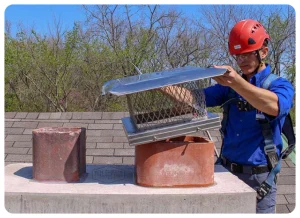
- Installation of Chimney Caps: Place wire mesh chimney caps on the chimney openings to prevent birds from entering. Chimney caps allow smoke and fumes to escape while preventing access by birds and other animals.
- Lighting and Noises: Turn on bright lights or play loud sounds near the fireplace to scare birds away. Birds tend to avoid places they perceive as dangerous or disturbing, so this strategy can help persuade them to leave the fireplace.
- Offer Alternative Shelter: Place nest boxes or birdhouses in areas away from the chimney to provide birds with an alternative nesting site. By offering alternative shelter, birds are more likely to voluntarily leave the chimney in search of more suitable habitat.
- Contact Professionals: If the above measures are not effective, consider contacting wildlife control professionals or animal rescue services to help you humanely remove the birds from the chimney. These experts may have safe and ethical methods for removing birds from the chimney without harming them.
Measures to Prevent Birds from Entering Chimneys.
Preventing birds from entering your chimney is critical to avoiding future problems. Installing a proper chimney cap and sealing any openings are effective preventative measures. In addition, it is important to perform periodic chimney inspections to identify and address any potential problems before they become major issues.
- Installing Chimney Caps: Place wire mesh chimney caps on chimney openings to prevent birds from being able to enter. Chimney caps allow smoke and fumes to escape, but prevent access by birds and other animals. Having a sturdy and effective cap on your chimney will save you a lot of trouble – and money – over time. You can book now a professional chimney cap installation.
- Sealing Cracks and Openings: Regularly inspect the chimney for cracks, crevices, or other openings through which birds can enter. Seal any gaps with heat-resistant caulk or suitable sealing materials to prevent birds from finding an entry point.
- Regular Maintenance: Perform regular chimney maintenance, including cleaning the flues and removing any nesting materials that may attract birds. Keeping the chimney clean and in good repair can deter birds from nesting on it.
- Install Deterrent Devices: Place deterrent devices such as scarecrows or ultrasonic devices around the chimney to scare birds away. These devices emit sounds or vibrations that are annoying to birds, deterring them from approaching the chimney.
Conclusion
In conclusion, getting rid of birds in the chimney may seem challenging, but with the right knowledge and strategies, it is possible to address this situation effectively and ethically. It is important to remember that birds are attracted to the warmth and shelter that a chimney offers, leading them to seek refuge in these spaces.
At Safe Chimney, we understand the importance of keeping your chimney safe and bird-free. In Seattle, WA, United States, common bird species in this area can find their way into chimneys. Some of these species include sparrows, swallows, starlings, and swifts, among others.
By implementing preventative measures, such as installing protective caps and sealing cracks, you can significantly reduce the chances of birds entering your chimney. In addition, by quickly detecting and addressing the presence of birds in your chimney, you can avoid associated risks, such as disease, blockages, and fire hazards.
At Safe Chimney, we are committed to providing you with the information and solutions you need to keep your chimney safe and functional – feel free to contact us for more tips and advice on how to protect your chimney from unwanted birds!